
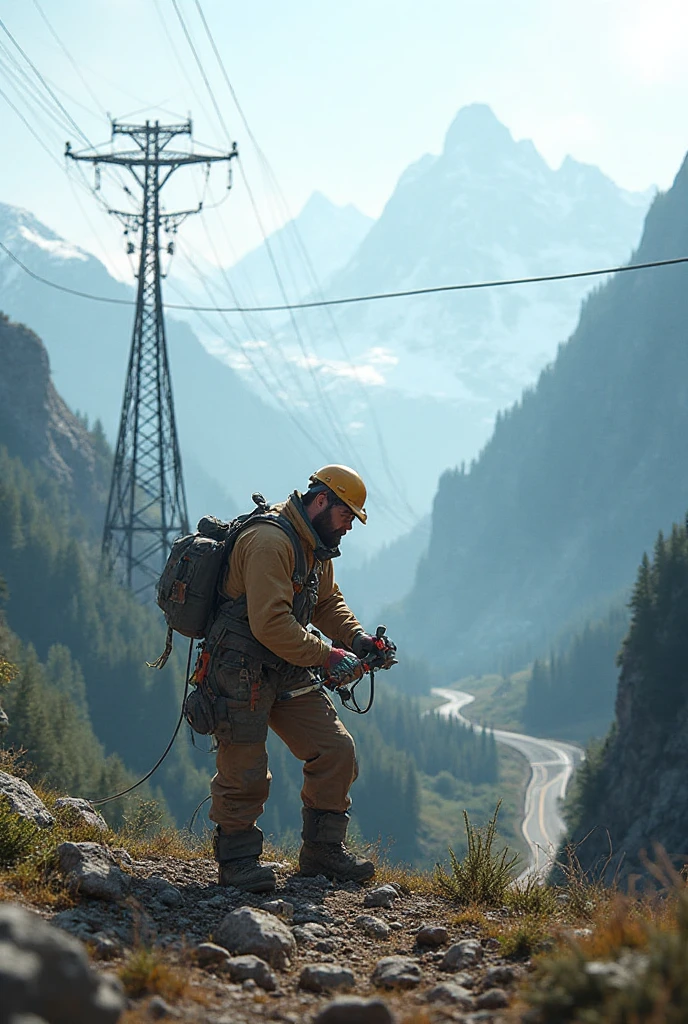
Electricity in mountain regions plays a vital role in connecting communities, powering homes, and supporting local economies. However, mountain electricity transmission lines often face unique challenges such as extreme weather, rough terrain, and limited accessibility. Repairing these lines requires innovative approaches that go beyond ordinary solutions. Below are 8 unique tips to effectively address mountain electricity transmission line repair.
1. Conduct Drone-Based Inspections
Traditional inspections in mountains take hours or even days. By using drones equipped with high-resolution cameras and thermal sensors, technicians can quickly locate faults, detect damaged wires, and identify weak spots without putting workers at risk.
2. Use Helicopter-Assisted Material Transport
In steep and inaccessible mountain areas, transporting heavy materials is one of the biggest obstacles. Helicopter lifts can be used to carry poles, transformers, and repair kits directly to remote sites, saving time and reducing labor costs.
3. Install Weather-Resistant Components
Extreme cold, snow, and wind can wear down traditional components. Instead, use weather-resistant insulators, anti-icing wires, and rust-proof steel structures. These materials last longer and reduce the frequency of future repairs.
4. Train Local Mountain Communities
One of the most overlooked solutions is involving local residents. Training mountain communities in basic electricity line maintenance ensures that minor issues are addressed quickly before they grow into major failures.
5. Develop Portable Repair Kits for Technicians
Technicians in mountain areas often struggle with carrying bulky equipment. Providing them with lightweight, portable repair kits designed specifically for high-altitude conditions makes repair work faster and more efficient.
6. Establish Emergency Microgrids
When main transmission lines fail, mountain regions can face long blackouts. Setting up solar- or wind-powered microgrids as backup ensures uninterrupted electricity supply while the main transmission line is being repaired.
7. Implement Real-Time Monitoring Systems
Smart sensors installed along transmission lines provide real-time data about voltage drops, wire tension, and weather impact. With early warnings, repair teams can act before small damages escalate into large outages.
8. Schedule Seasonal Preventive Maintenance
Mountain weather changes drastically between summer and winter. Conducting seasonal preventive maintenance before harsh conditions arrive reduces the chances of sudden breakdowns and costly emergency repairs.
Common Objection and Answer
Objection:
“Repairing mountain transmission lines with drones, helicopters, and smart systems sounds too expensive for small mountain communities.”
Answer:
While initial investment may seem high, these solutions reduce long-term repair costs by preventing frequent breakdowns, cutting down on labor hours, and avoiding emergency outages. In the long run, modern repair methods are more cost-effective and reliable than outdated manual approaches.