Reliable electricity is the foundation of modern living, but in high-altitude and remote areas, it remains a serious struggle. The challenges of electricity in mountain villages go far beyond ordinary power issues. Below are fresh questions and answers that highlight unique problems and provide effective solutions for sustainable mountain electricity.
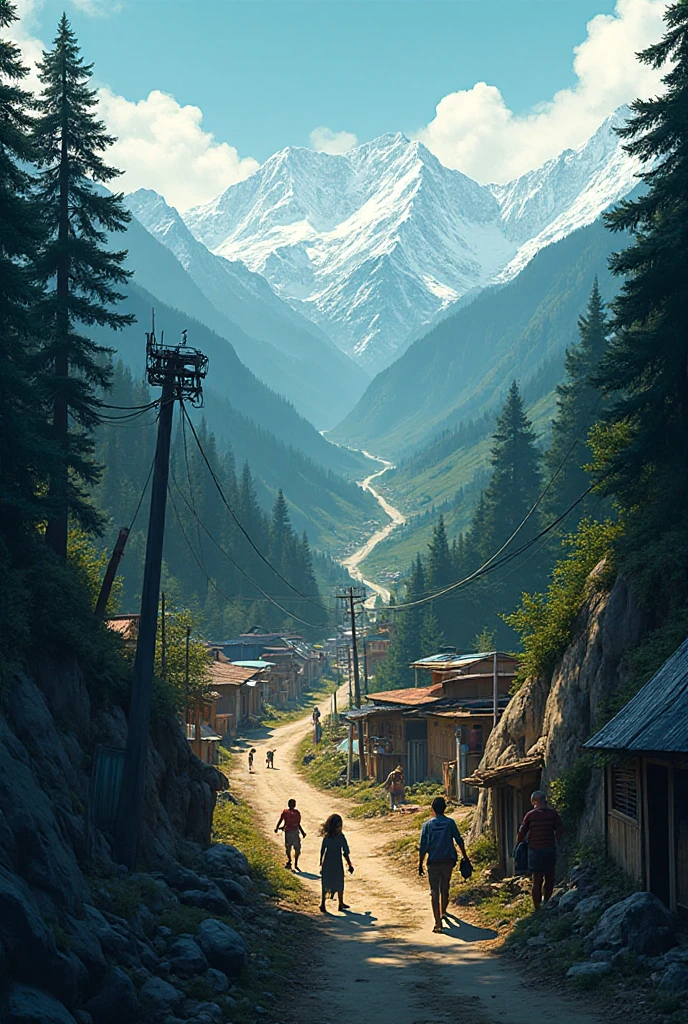
Q1: Why do mountain villages face frequent power outages?
Answer:
Transmission lines in mountains pass through forests, rocky slopes, and extreme weather zones. Heavy snow, landslides, or storms often damage the infrastructure. A solution is to introduce underground insulated cables in sensitive areas, reducing the risk of outages caused by falling trees or storms.
Q2: How can villagers get electricity without relying on long transmission lines?
Answer:
Long transmission lines are fragile in rough terrains. Instead, decentralized microgrids powered by solar and wind can generate electricity locally. These systems reduce dependence on national grids and provide consistent mountain electricity for remote households.
Q3: What role does renewable energy play in solving mountain electricity challenges?
Answer:
Renewables are the most practical solution. Solar panels, mini-hydropower, and wind turbines are well-suited to mountainous environments. By combining them in hybrid systems, villagers can enjoy reliable energy without waiting for expensive grid expansion.
Q4: Can small mountain communities afford modern electricity solutions?
Answer:
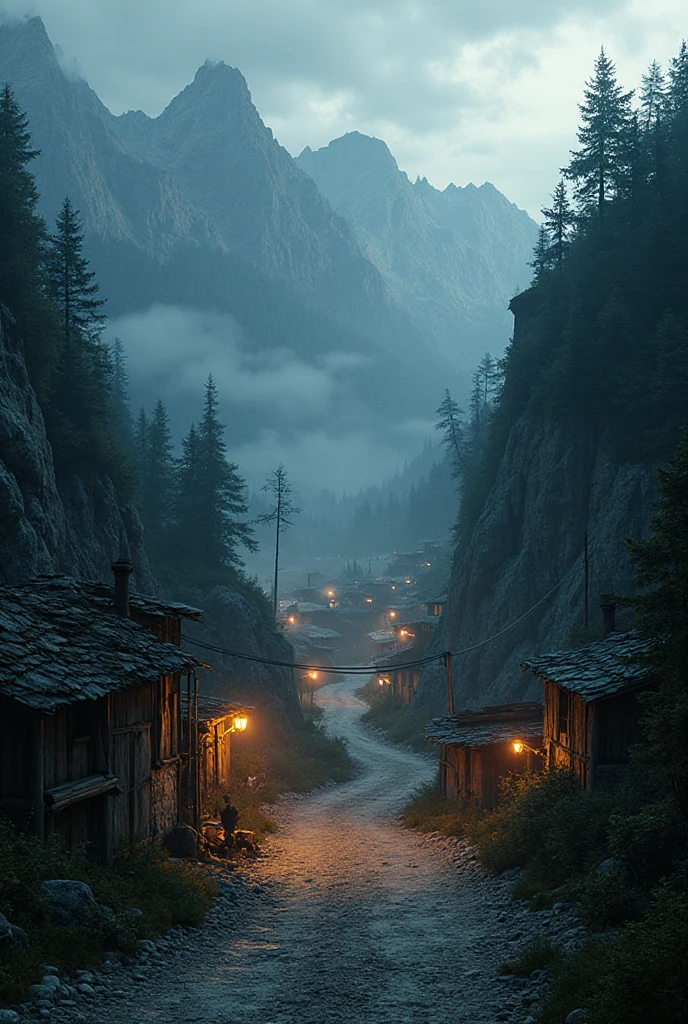
Affordability is a real concern, but costs can be reduced through community-owned projects, government subsidies, and NGO partnerships. When communities work together, solar farms or small hydropower plants become more achievable and sustainable.
Q5: How can electricity be stored for use at night in mountain areas?
Answer:
Battery storage is essential. Lithium-ion, saltwater, or gravity-based batteries allow villages to store excess solar or wind power generated during the day. This ensures uninterrupted electricity even during cloudy days or at night.
Q6: What about maintenance challenges in mountain electricity systems?
Answer:
Mountains are remote and technicians may take days to arrive. One effective solution is to train local residents in basic repair and maintenance. Empowering villagers reduces downtime and builds self-reliance.
Q7: How can weather conditions like snow and ice be managed for solar power?
Answer:
Snow accumulation reduces solar efficiency. Using tilt-adjustable panels with anti-snow coatings keeps panels clean and functional. Additionally, panels installed at steeper angles naturally shed snow.
Q8: What is the long-term strategy for sustainable mountain electricity?
Answer:
A combination of renewable hybrid systems, local training, and smart energy management apps is key. Villages should also invest in seasonal preventive maintenance to prepare their systems for extreme winter conditions.
Common Objection and Answer
Objection:
“Modern electricity solutions like solar microgrids and smart storage are too advanced and impractical for remote mountain villages.”
Answer:
While these solutions may seem advanced, many are now designed specifically for rural and remote areas. Portable solar kits, small wind turbines, and micro-hydro systems are affordable, scalable, and easy to install. In fact, they are more practical than traditional grid extensions, which are costly and fragile in mountain conditions.