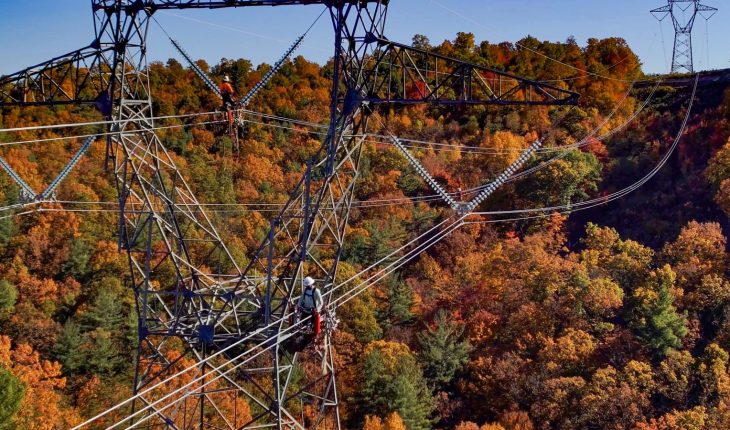
Electricity is more than just power; it fuels education, healthcare, and economic growth. Yet, mountain electricity shortages remain one of the biggest barriers to development in remote regions. Harsh terrain, extreme weather, and limited infrastructure make it difficult to ensure a reliable power supply. Fortunately, modern technology and creative thinking offer practical answers. Below are some unique mountain electricity shortage solutions that can transform energy access in high-altitude areas.
1. Hybrid Solar-Wind Energy Systems
Mountains often experience abundant sunlight during the day and strong winds at night. Installing hybrid solar-wind systems ensures 24/7 power supply by balancing renewable sources and minimizing energy gaps.
2. Micro-Hydro Power Station
Unlike massive dams, micro-hydro stations use small streams and waterfalls commonly found in mountain villages. They generate continuous electricity at a low cost while preserving the environment.
3. Community-Based Energy Cooperatives
One of the most effective mountain electricity shortage solutions is collective ownership. By pooling resources, mountain residents can build and maintain renewable energy systems, reducing dependency on external utilities.
4. Smart Battery Storage for Night Supply
Energy storage is critical in mountain regions where weather is unpredictable. Modern solutions like lithium-ion and saltwater batteries help store renewable energy for night use and emergencies, keeping homes lit even during storms.
5. Portable and Foldable Solar Kits
Remote households often live far from centralized grids. Portable foldable solar kits provide immediate power for lighting, cooking, and communication, making them ideal for scattered mountain populations.
6. Underground Power Cables in Risk Zones
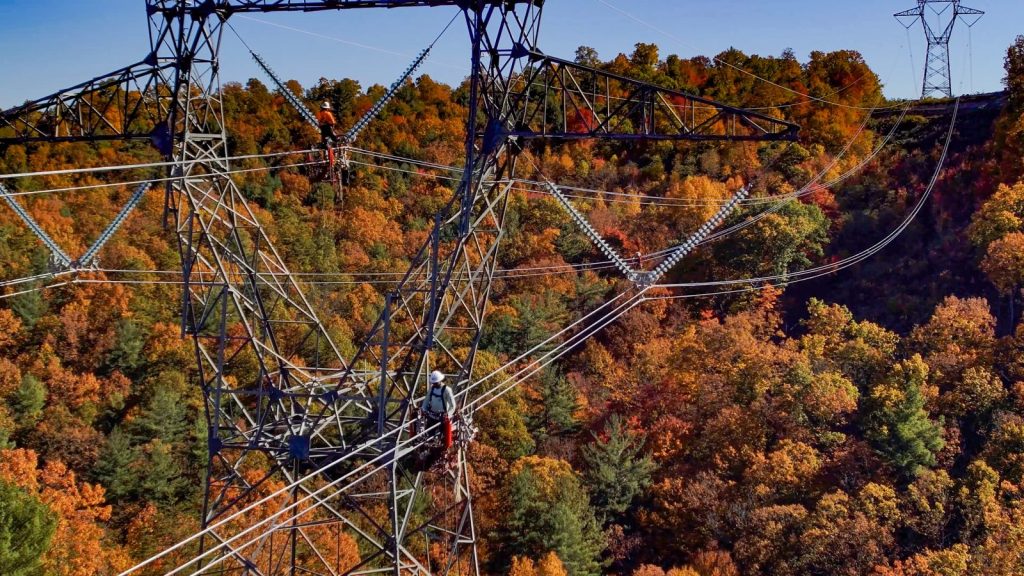
Overhead lines are highly vulnerable to snow, storms, and landslides. Replacing them with underground insulated cables in high-risk areas reduces outages and ensures more reliable mountain electricity supply.
7. Seasonal Preventive Maintenance Programs
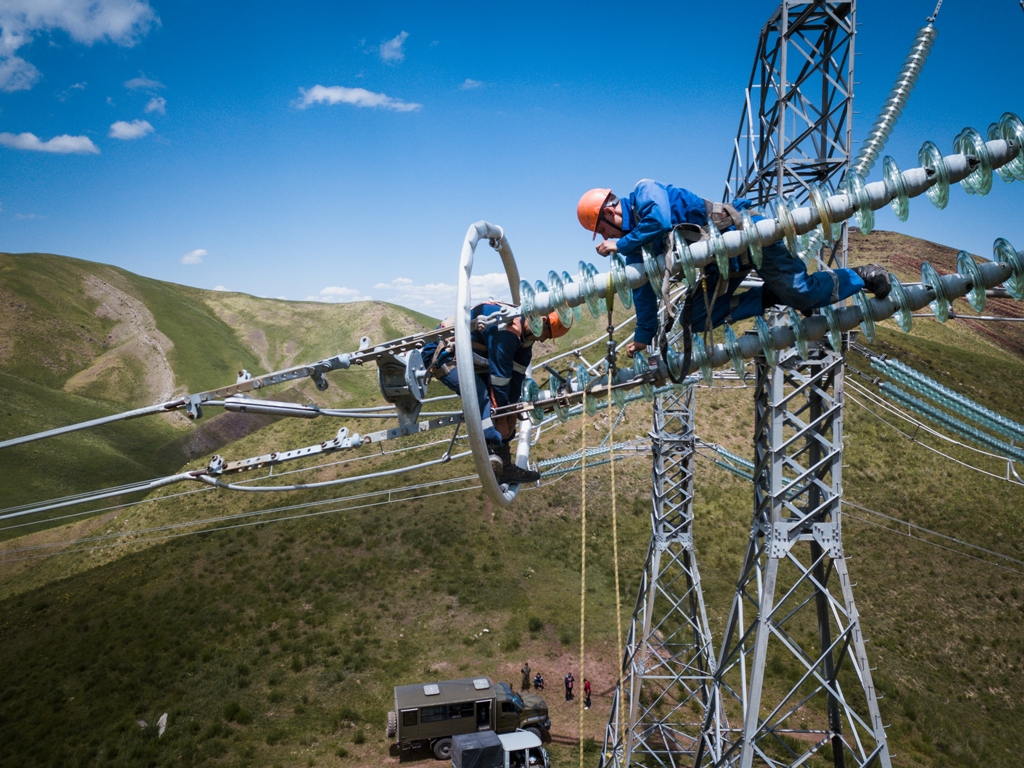
Mountain weather changes rapidly. Conducting preventive maintenance before winter and monsoon seasons avoids sudden breakdowns, extends system life, and reduces emergency repair costs.
8. Digital Energy Monitoring Apps
Villagers can now track energy production and consumption through mobile-based energy apps. These apps help in predicting shortages, optimizing storage, and managing renewable resources efficiently.
9. Partnerships with NGOs and Governments
Sustainable solutions require collaboration. Government subsidies, NGO support, and international aid programs can provide training, funding, and technical support to scale renewable energy projects in mountain communities.
Common Objection and Answer
Objection:
“Renewable energy projects like solar, wind, and micro-hydro are too expensive and complex for small mountain villages.”
Answer:
While the initial setup may require investment, these technologies are far more cost-effective in the long run than extending fragile transmission lines into mountains. They lower maintenance costs, reduce outages, and empower local communities with independence. In fact, renewable systems are the only sustainable mountain electricity shortage solutions for the future.