Electricity is a lifeline in every region, but mountain electricity comes with unique challenges. High-altitude areas often face frequent power cuts, unstable transmission, and difficulty in building long-distance grids. Traditional electricity supply methods are not always effective in such rough terrains. That’s where solar power solutions for mountain electricity become a game-changer. Below are innovative tips and tricks to overcome these issues and bring reliable energy to mountain communities.
1. Install Tilt-Adjustable Solar Panels
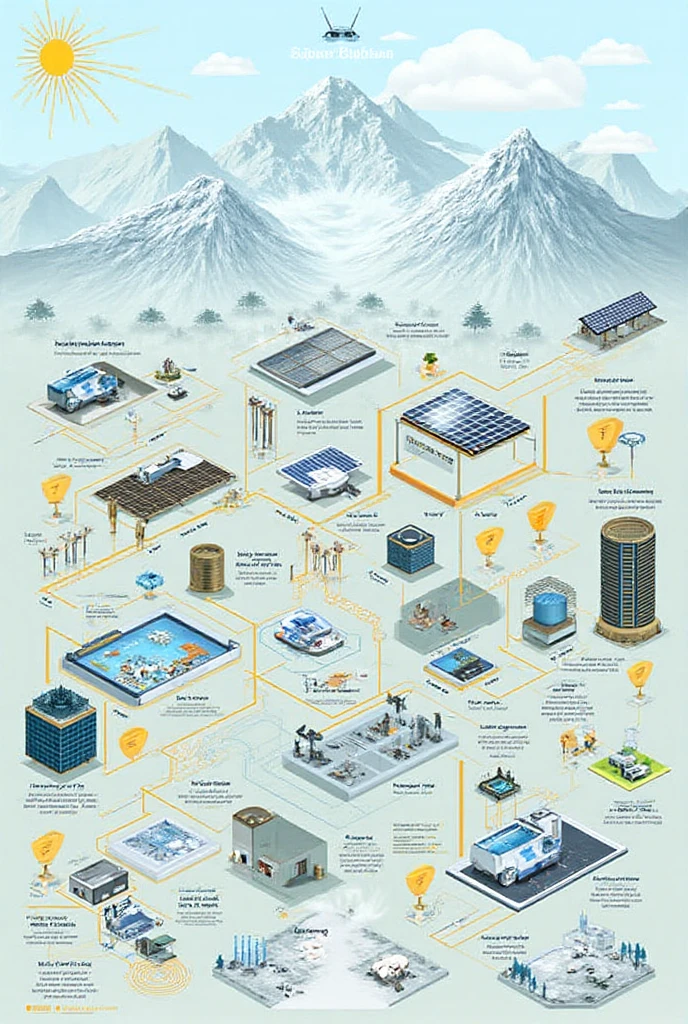
In mountain regions, sunlight angles change dramatically with the seasons. Using tilt-adjustable solar panels allows maximum sunlight absorption in both summer and winter. This ensures a more consistent energy output throughout the year.
2. Use High-Efficiency Monocrystalline Panels
Clouds, snow, and shade reduce solar efficiency in mountains. Unlike polycrystalline types, monocrystalline panels perform better in low-light and cold conditions, making them ideal for mountain electricity needs.
3. Hybrid Solar-Wind Systems
Mountain regions often experience strong winds. Combining solar panels with small wind turbines creates hybrid systems that generate electricity day and night, offering a stable and uninterrupted energy flow.
4. Portable Foldable Solar Kits for Remote Villages
In areas where building permanent infrastructure is not possible, portable foldable solar kits can provide instant solutions. They are lightweight, easy to carry, and perfect for powering small mountain homes or field stations.
5. Snow-Resistant Solar Panel Coatings
Snow accumulation is a major challenge for solar setups in high-altitude zones. Applying anti-snow or hydrophobic coatings prevents snow buildup, ensuring panels keep generating electricity even during heavy snowfall.
6. Battery Storage for Nighttime Supply
Solar power is only available during the day, but with advanced lithium-ion or saltwater batteries, mountain communities can store excess energy for nighttime use, ensuring 24/7 power availability.
7. Solar-Powered Microgrids for Isolated Communities
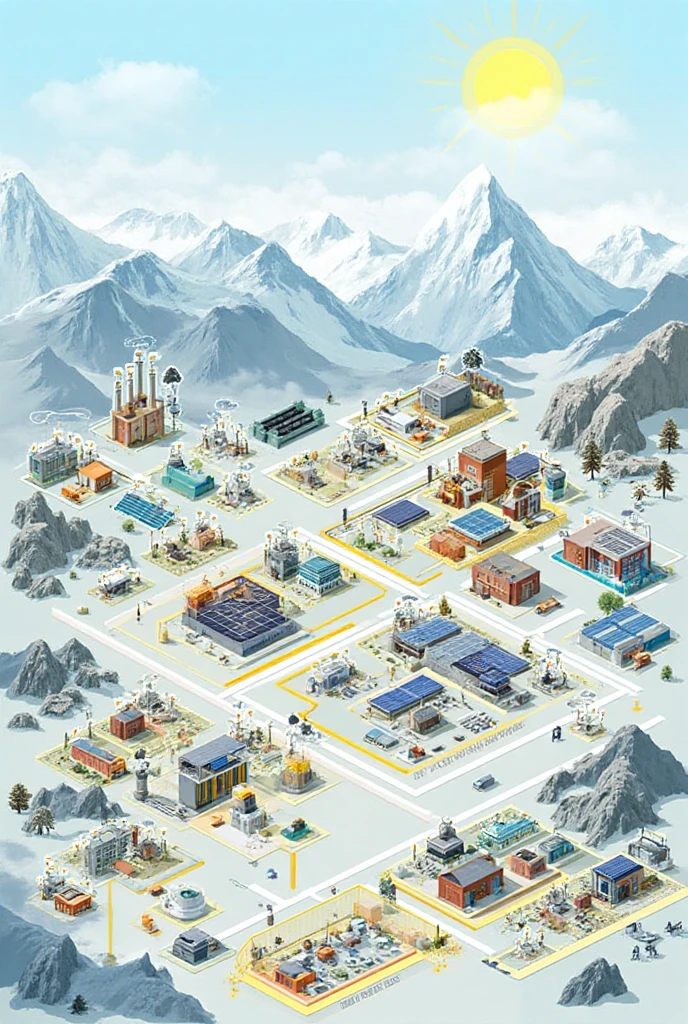
Instead of relying on long and fragile transmission lines, solar microgrids can power entire villages independently. These grids are scalable, affordable, and much more reliable in rugged terrains.
8. Smart Energy Management Apps
Modern technology allows mountain residents to monitor their solar energy systems through smartphone apps. These apps track power usage, predict shortages, and optimize storage, making solar power management easier.
9. Community-Owned Solar Projects
Individual systems can be costly, but when communities invest together, they can establish community-owned solar farms. This reduces costs, improves accessibility, and ensures sustainable electricity for everyone.
10. Government and NGO Partnerships
Partnerships with government programs and NGOs can provide subsidies, training, and technical support for solar projects in mountain regions. This makes solar energy more affordable and long-lasting for remote populations.
Common Objection and Answer
Objection:
“Solar power may not work effectively in mountain areas due to frequent clouds, snow, and changing weather conditions.”
Answer:
While weather challenges exist, modern solar technologies like high-efficiency panels, hybrid solar-wind systems, and snow-resistant coatings have made it possible to generate power even under tough conditions. In fact, solar power is often more reliable than traditional transmission lines in mountains because it eliminates dependence on long, vulnerable grids.